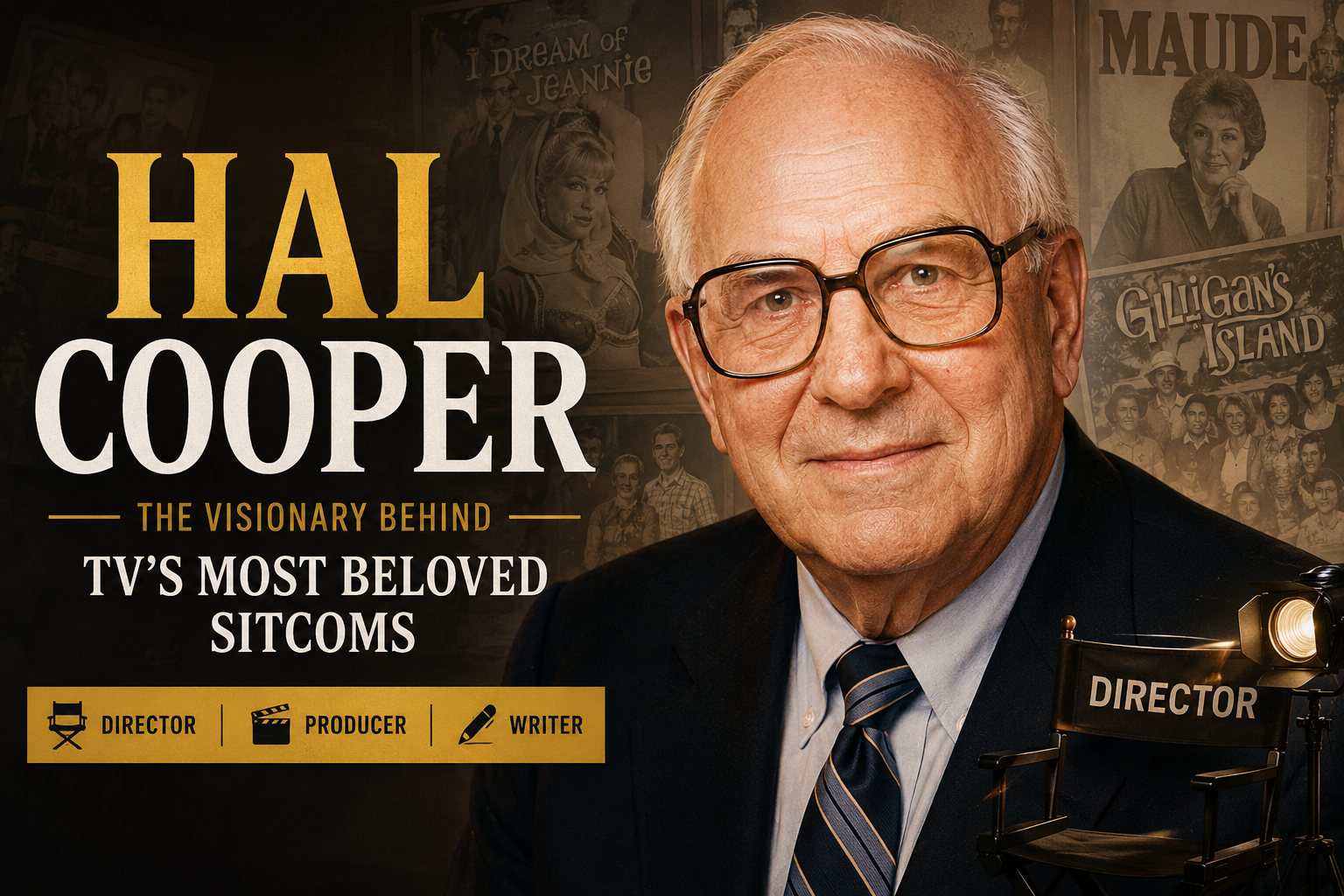
Who Was Hal Cooper? A Short Biography
| Detail | Information |
|---|---|
| Full Name | Harold “Hal” Cooper |
| Date of Birth | February 23, 1923 |
| Birthplace | New York City, New York, USA |
| Nationality | American |
| Profession | Television Director, Producer, Writer |
| Education | University of Michigan |
| Famous For | Directing and producing popular American television sitcoms |
| Years Active | Late 1940s–1990s |
| Date of Death | April 11, 2014 |
A Television Pioneer Behind Some of America’s Most Loved Sitcoms
When people search for Haly Cooper they are often looking for Hal Cooper, one of the most influential television directors and producers of the twentieth century. Although he spent much of his career behind the camera, his work helped shape the golden age of American television and left a lasting impact on comedy programming.
From classic sitcoms to groundbreaking television series,Haly Cooper career spanned several decades and included work on some of the most recognizable shows in TV history. His ability to guide actors, manage productions, and maintain strong storytelling standards made him one of the industry’s most respected directors.
Early Life and Education
Growing Up in New York
Harold Cooper, better known as Hal Cooper, was born in New York City in 1923. His interest in broadcasting started at an early age. While many children were simply listeners, Cooper became fascinated by how radio programs were produced behind the scenes.
That curiosity eventually developed into practical experience. As a young performer on radio broadcasts, he gained firsthand exposure to the technical and creative aspects of entertainment production. Those early experiences helped shape the career path that would define his life.
Service During World War II
Like many members of his generation, Cooper’s life was affected by World War II. He served in the Naval Reserve before returning to complete his education.
His military service contributed to the discipline and leadership skills that later became valuable assets in the demanding world of television production. Following the war, he resumed his professional ambitions and moved into the rapidly growing television industry.
University Education
Cooper attended the University of Michigan, where he further developed his understanding of broadcasting and production. His combination of practical experience and formal education provided a strong foundation for a long and successful career.
At a time when television was still finding its identity, Cooper entered the industry with both technical knowledge and creative vision.
Building a Career in Television
From Children’s Programming to Network Television
Cooper’s early television work included producing and writing children’s programs. These roles allowed him to gain experience in the emerging television medium during its formative years.
As television expanded across American households, Cooper steadily advanced into directing and producing larger projects. His reputation for professionalism and creative problem-solving helped him secure opportunities on increasingly prominent network productions.
Transition Into Directing
During the 1950s and 1960s, Cooper established himself as a television director. This period marked the beginning of his association with many successful comedy and family-oriented programs.
Directing television during that era required exceptional efficiency. Episodes were produced on tight schedules, and directors needed to balance artistic quality with practical production demands. Cooper excelled in that environment, becoming a trusted figure among studios and networks.
A Reputation for Reliability
One reason for Cooper’s longevity was his consistency. Producers knew he could manage complex productions while maintaining high standards.
Actors and production teams frequently benefited from his calm leadership style. Rather than seeking public attention, he focused on delivering quality television, a trait that earned him respect throughout the industry.
Notable Television Shows and Achievements
I Dream of Jeannie
Among Cooper’s most recognized credits is the classic fantasy sitcom I Dream of Jeannie. The series became a cultural phenomenon and remains popular with audiences decades after its original broadcast.
His work on the show demonstrated his ability to balance comedy, fantasy elements, and character-driven storytelling. The series helped cement his reputation as a director capable of handling highly successful network productions.
Maude and Groundbreaking Television
One of Cooper’s most significant professional achievements came through his extensive work on Maude. The series tackled contemporary social issues while maintaining its comedic identity.
Television historians often view Maude as an important example of how sitcoms evolved during the 1970s. Cooper directed a large number of episodes and played a key role in maintaining the show’s distinctive voice and quality.
His contributions earned industry recognition, including Emmy nominations for directing.
Other Memorable Productions
Throughout his career, Cooper contributed to numerous well-known television programs, including:
- Gilligan’s Island
- That Girl
- The Dick Van Dyke Show
- Mayberry R.F.D.
- The Brady Bunch
- Sanford and Son
- Love, Sidney
- Gimme a Break!
- Dear John
- Empty Nest
This remarkable collection of credits illustrates both the breadth and longevity of his influence on American television.
Leadership as a Producer
Expanding Beyond Directing
Although many people remember Cooper primarily as a director, he also enjoyed success as a producer and executive producer.
These responsibilities required a broader perspective, including budget management, staffing decisions, and long-term creative planning. Cooper’s experience made him well suited for these leadership roles.
Helping Shape Successful Sitcoms
As a producer, he contributed to the development and stability of several popular comedy series. His understanding of audience expectations and television storytelling helped productions remain successful over multiple seasons.
The combination of directing and producing expertise allowed Cooper to influence projects at nearly every stage of development.
Mentoring Television Talent
Industry veterans often recognize that successful television depends on collaboration. Cooper worked with writers, actors, producers, and technical crews across several generations.
His long career placed him in a unique position to mentor emerging talent and contribute to the professional growth of countless individuals within the television industry.
Lasting Legacy
Influence on Television Comedy
Hal Cooper’s impact extends beyond the individual shows he directed. His work helped define the pacing, structure, and production quality of classic American sitcoms.
Many of the techniques and standards associated with successful television comedy were reinforced through the productions he guided over several decades.
Recognition and Awards
Cooper received Emmy nominations for his directing work on Maude, reflecting the industry’s respect for his talent and professionalism.
While awards represent only part of a creative legacy, they highlight the esteem in which his peers held him throughout his career.
Remembering Hal Cooper
Hal Cooper passed away in 2014 at the age of 91. By that time, he had built a television career that few professionals could match.
His contributions continue to be appreciated by television historians, industry professionals, and audiences who enjoy the classic series he helped create.
Frequently Asked Questions
Q: Who is Haly Cooper?
A: The search term “Haly Cooper” is commonly used when referring to Hal Cooper, the American television director and producer known for his work on numerous classic sitcoms and television series.
Q: What was Hal Cooper famous for?
A: He was best known for directing and producing successful television comedies, including I Dream of Jeannie, Maude, Gilligan’s Island, and several other influential series.
Q: Did Hal Cooper win an Emmy Award?
A: He received Emmy nominations for Outstanding Directing in a Comedy Series for his work on Maude, demonstrating the industry’s recognition of his directing skills.
Q: Where was Hal Cooper born?
A: Hal Cooper was born in New York City, New York, in 1923.
Q: What is Hal Cooper’s legacy in television?
A: His legacy lies in helping shape American television comedy across multiple decades through directing, producing, and mentoring talent on many iconic programs.
Conclusion
Hal Cooper remains one of television’s most accomplished behind-the-scenes figures. While audiences often remember the actors who appeared on screen, directors like Cooper played an equally important role in creating memorable entertainment. His work on classic sitcoms, his leadership as a producer, and his dedication to quality storytelling helped define an era of American television. For anyone researching “Haly Cooper,” understanding the life and career of Hal Cooper offers a fascinating look at the creative force behind some of the most beloved television programs ever produced.



[…] atmospheric science accurately and understandably are playing an increasingly important role. Honor Criswick has built a reputation around that balance of scientific credibility and approachable […]